
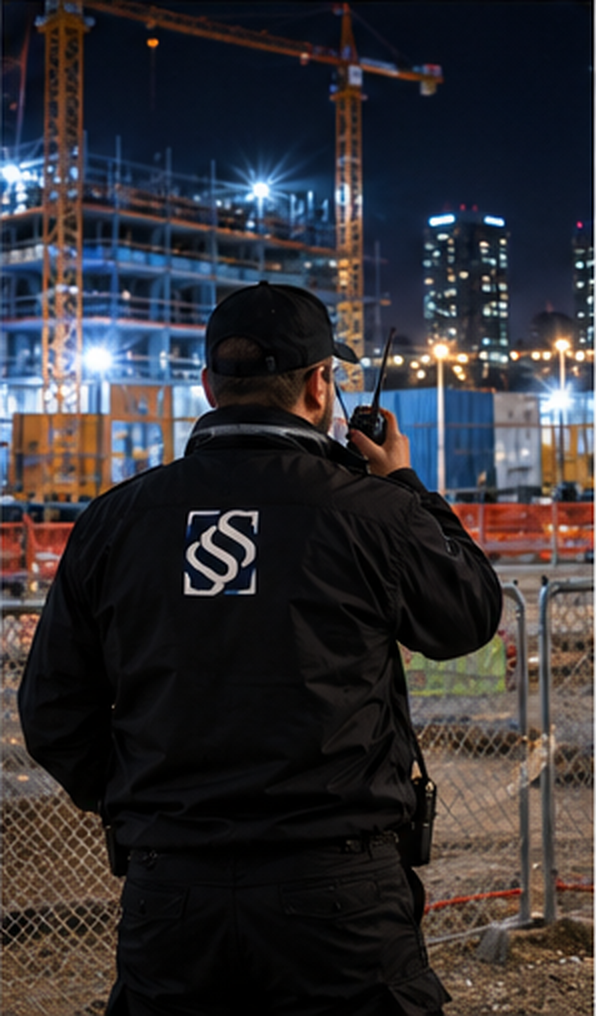
Every builder in Melbourne has a story. A site left locked on Friday, and on Monday the tools are gone, the copper’s been stripped and someone has been through the site office. Beyond the cost of replacing gear, there’s the lost time, the insurance excess and a program that slips by days.
Construction sites are among the most targeted properties in the city. Here’s why, and what actually works to protect them.
Why building sites get hit
- Valuable, portable gear. Power tools, generators, copper pipe and cable, timber and appliances waiting to be installed are all easy to sell.
- Predictable hours. Thieves know when sites close and how long they stay empty over weekends and holidays.
- Temporary fencing. Hoarding and mesh fencing slow people down, but rarely stop them.
- Lots of people coming and going. With multiple trades on site, it’s hard to know who belongs there.
The real cost of site theft
The replacement value of stolen tools is only part of it. Add in:
- trades standing around waiting for replacement equipment
- delays to the build program and possible liquidated damages
- insurance excesses and rising premiums
- vandalism and damage to finished work
- safety risks if scaffolding, barriers or electrical gear are tampered with
What works
A visible guard on site
A licensed static guard is the strongest deterrent for a building site. Most thieves will move on rather than test a site with an officer at the gate. Guards are most valuable:
- overnight and on weekends
- during deliveries of high-value materials
- in the final stages, when fixtures and appliances are on site
- over the Christmas shutdown
Access control during work hours
During the day, a guard at the gate can check inductions, sign people in and out, and stop anyone without a reason to be there. This also helps with safety compliance.
CCTV and alarms
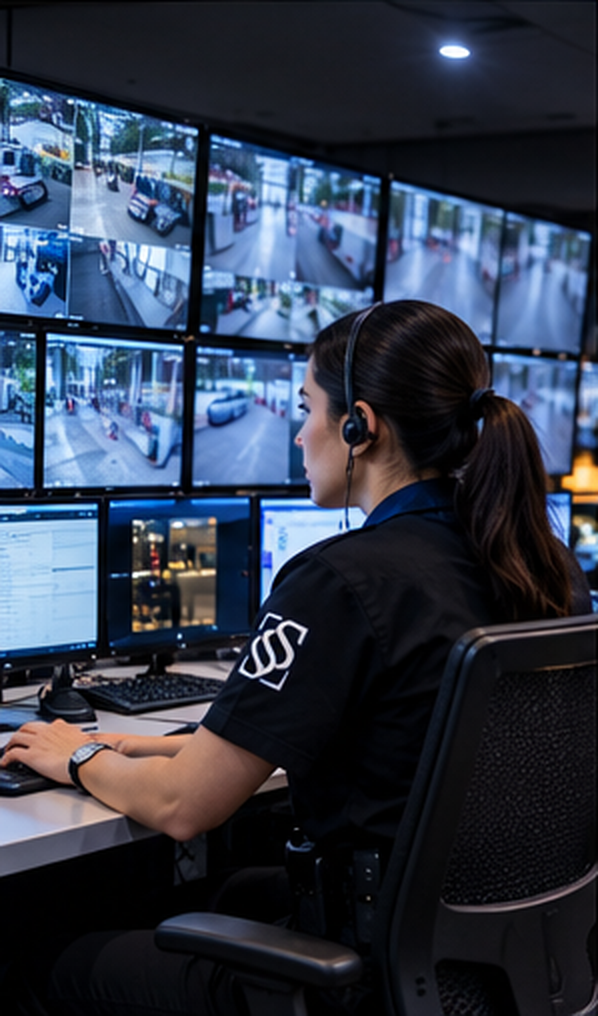
Cameras with remote viewing and monitored alarms let you see your site from your phone and get alerted when someone enters after hours. On a large site, CCTV covers ground that a single guard can’t. We explain the options in why CCTV and security equipment are no longer optional.
Guard and cameras together
Many builders use cameras for full coverage and put a guard on during the highest-risk hours. It’s usually more cost-effective than either one alone.
Simple steps that help
- Lock tools in secure containers or take them off site.
- Schedule high-value deliveries close to installation.
- Keep the site lit at night.
- Keep a register of who has keys and access codes.
- Report every incident, however small, so patterns show up.
Security for the Christmas shutdown
Most Melbourne sites close for two to three weeks over Christmas and New Year, which is peak time for theft. If you need cover over the break, book early. Experienced officers get rostered quickly in December.
Security at each stage of the build
Risk changes as a project progresses, so your security should too.
Early works and excavation
Plant and machinery are the main target. Fuel theft, damage to excavators and theft of small plant are common. Good fencing, lighting and immobilising machinery overnight go a long way.
Structure
Scaffolding, formwork, steel and tools are on site, and so are more trades. Access control during the day matters more at this stage, as does keeping kids and climbers out after hours for safety reasons.
Lock-up and services
Copper pipe, electrical cable and switchboards go in. This is when theft peaks. Many builders add a guard or monitored cameras from this point.
Fit-out and handover
Appliances, fixtures, carpets and finished surfaces are easy to steal or damage, and expensive to replace. A guard overnight in the final weeks protects the most valuable part of the job.
What to include in a site security plan
A simple written plan keeps everyone on the same page. It should cover:
- the site boundary, gates and access points
- who can enter, and how they sign in and out
- when the site is guarded, and when it relies on cameras or alarms
- lighting and camera coverage, including blind spots
- where tools, fuel and materials are stored
- who to call after hours if the alarm goes off or a guard reports a problem
- how incidents are recorded and reported to the builder and insurer
We put this together with you after walking the site, so the plan matches the actual risks rather than a template.
Signs your site needs more security
If any of these sound familiar, it’s time to review your setup:
- tools or materials have gone missing, even in small amounts
- there’s evidence of people on site after hours, like rubbish, graffiti or damaged fencing
- neighbours have reported people or vehicles at the site at night
- your insurer has asked about security, or a claim has been knocked back
- high-value materials or appliances are about to arrive
- the site is in an isolated area with little passing traffic
Small losses are often a sign that someone is testing the site. Acting early is usually far cheaper than dealing with a major theft later.
Frequently asked questions
Do construction sites legally need security guards?
There’s no general rule that every site must have a guard. But your contract, insurer or client may require security, and you have safety obligations to keep the public, especially children, out of a dangerous site.
Is CCTV enough for a building site?
On a small, low-risk site it can be. On larger sites, or once valuable materials are on site, most builders combine cameras with a guard during the highest-risk hours.
When is a building site most at risk?
Weekends, public holidays and the Christmas shutdown are the riskiest times. So is the period after copper, cable and appliances arrive on site.
Can a guard also manage site sign-in during the day?
Yes. A gate officer can check inductions, sign people in and out, and turn away anyone without a reason to be on site.
How much does construction site security cost?
It depends on the hours and the site. Our guide to security guard costs in Melbourne gives typical ranges.
Talk to us about your site
Specialty Security Service provides licensed static guards and CCTV for construction and development sites across Melbourne and Victoria. We walk your site, look at entries, lighting and risks, and give you a written plan and quote.
Request a quote or call 1300 309 429.