
“How much does a security guard cost?” is the first question most people ask us, and it’s a fair one. The honest answer is that it depends on the job, but there are clear ranges, and once you understand what drives the price you can tell a fair quote from a bad one.
This guide covers typical security guard rates in Melbourne in 2026, what affects them, and what to watch out for.
Typical security guard rates in Melbourne
As a general guide, most Melbourne security companies quote somewhere in these ranges, per officer, per hour, plus GST:
- Static guard, weekday: around $45 to $65 an hour
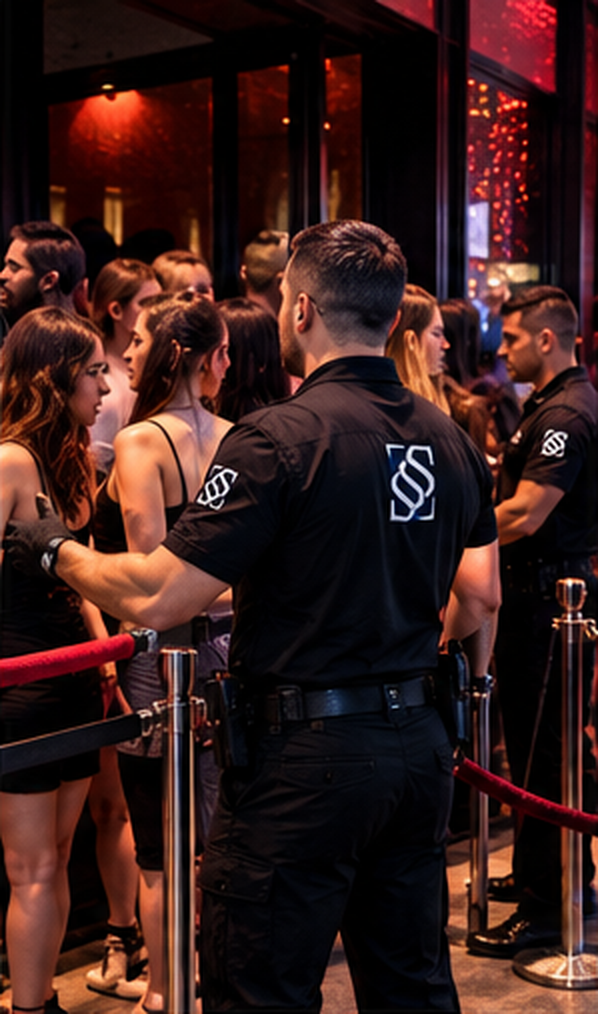
- Crowd controller for a pub, bar or club: around $50 to $70 an hour
- Weekends and nights: usually at the higher end of the range, or above it
- Public holidays: typically 1.5 times the normal rate
- Christmas Day and New Year’s Eve: often double time
Rates for long-term contracts usually sit lower than one-off bookings, because the provider can roster staff consistently.
What drives the price
The type of officer
A static guard watching a vacant building is a different job from a crowd controller managing a queue of 300 people on a Saturday night. Crowd control, armed guarding and cash-in-transit need different licences and experience, and they cost more.
When you need cover
Security officers are paid under the Security Services Industry Award, which includes penalty rates for nights, weekends and public holidays. Those costs flow through to your hourly rate. A Tuesday afternoon shift will always cost less than a Sunday night.
How long and how often
Ongoing work, like every Friday and Saturday at a venue, is usually cheaper per hour than a single shift. Many companies also have a minimum shift length, commonly four or five hours, so a two-hour job is usually billed at the minimum.
Risk and site complexity
A site with a history of break-ins, aggressive patrons or valuable stock may need more experienced officers, more of them, or extra equipment. That changes the price.
Short notice
Booking same-day or overnight cover is possible, but it can cost more because the provider has to pull officers from other work.
Why a cheap quote should worry you
Since 1 July 2026, the minimum award rate for a casual Level 1 security officer is $35.53 an hour, before penalty rates. On top of that, a legitimate provider pays superannuation, workers’ compensation, payroll tax, public liability insurance, licensing, uniforms and supervision.
So if a quote comes in close to the award rate, or below it, something is being cut. Usually that’s the officers’ pay, the insurance, or both. Underpaid, uninsured guards are a risk to your venue, and in some arrangements your business can be exposed too.
What a good quote should include
Before you sign, check that the quote or agreement covers:
- the hourly rate for each day type, with GST shown clearly
- any minimum shift length and cancellation terms
- public holiday and Christmas rates
- how invoices are itemised (venue, date, hours and rate)
- proof of the company’s private security licence and insurance
- for ongoing supply of officers in Victoria, a labour hire licence
We cover how to check these in more detail in an upcoming post on choosing a security company.
What it adds up to: some examples
To make the ranges easier to picture, here are a few common setups, worked through at middle-of-the-range rates. These are illustrations only, not quotes.
A pub door on Friday and Saturday nights
One crowd controller for six hours each night at around $55 an hour is about $660 a week plus GST. Add a second officer for busy nights and that doubles.
An overnight guard at a vacant warehouse
One static guard from 6pm to 6am, seven nights a week, is 84 hours. At $45 to $65 an hour, that’s roughly $3,800 to $5,500 a week plus GST, with weekend nights at the higher end.
Round-the-clock cover after an incident
24/7 cover is 168 hours a week. At the same range, that’s about $7,500 to $11,000 a week plus GST. Most clients only need this for a short period, then drop back to night-only cover or CCTV.
A one-off event
Two crowd controllers for a five-hour function on a Saturday night, at around $60 an hour, is about $600 plus GST. Short events are often billed at a minimum shift length.
How to keep your security costs down
You don’t have to pay for more cover than you need. A few ways to get better value:
- Match cover to risk. Put officers on during the hours when problems actually happen, not across the whole day by default.
- Combine guards with CCTV. Cameras cover the quiet hours, guards cover the busy or high-risk ones.
- Commit to a regular roster. Ongoing bookings are usually cheaper per hour than one-off shifts.
- Give notice. Booking ahead avoids short-notice premiums and late cancellation fees.
- Review regularly. As risk drops, scale back. A good provider will tell you when you can reduce cover.
Questions to ask before you accept a quote
A quote is only useful if you can compare it fairly. Before you choose, ask each provider:
- What’s included in the rate? Supervision, uniforms, travel, incident reports and site briefings should be covered, not added later.
- Who will actually turn up? Will you get the same officers each week, or whoever is available?
- What happens if an officer doesn’t show? A reliable provider has backup staff and will tell you how quickly they can replace someone.
- How are hours recorded? Officers should sign a register at the start and end of every shift, so you can check invoices against it.
- What are the cancellation terms? Find out how much notice you need to give and what you’ll be charged if a shift is cancelled late.
- How long are the rates fixed for? Ask whether rates are locked in for the agreement or can change at short notice.
If two quotes are far apart, these questions usually explain why. The cheaper one often leaves out something the other includes.
Frequently asked questions
Do security guard rates include GST?
Usually not. Most security companies quote hourly rates exclusive of GST, so add 10% to work out your total. Always check the quote says which it is.
Why do weekend and public holiday shifts cost more?
Security officers are paid penalty rates for weekends and public holidays under the Security Services Industry Award. Those higher wages are passed on in the hourly rate.
Is there a minimum shift length?
Most providers have one, commonly four or five hours, especially for weekend nights. A shorter job is usually billed at the minimum.
Is it cheaper to hire a guard directly instead of through a company?
It can look cheaper, but you take on the employer’s obligations: wages, super, workers’ compensation, insurance and checking licences. Using a licensed provider puts those obligations on them.
How quickly can you get a guard on site?
Often the same day in Melbourne, depending on the time and the shift. Short-notice bookings can cost more, so book ahead where you can.
Getting an accurate price
The fastest way to get a firm number is a short conversation about your site, your hours and what’s happened there before. At Specialty Security Service we put every quote in writing, with rates agreed up front and itemised weekly invoices, so there are no surprises.
If you’re securing an empty building, our guide to vacant property security in Melbourne explains how guarding and CCTV work together.
Request a quote or call 1300 309 429.
Rates in this article are a general market guide only, not a quote. Your price depends on your site and requirements.